
Charlotte Yard Drainage Quote Guide
Know What You’re Paying for Before Anyone Digs
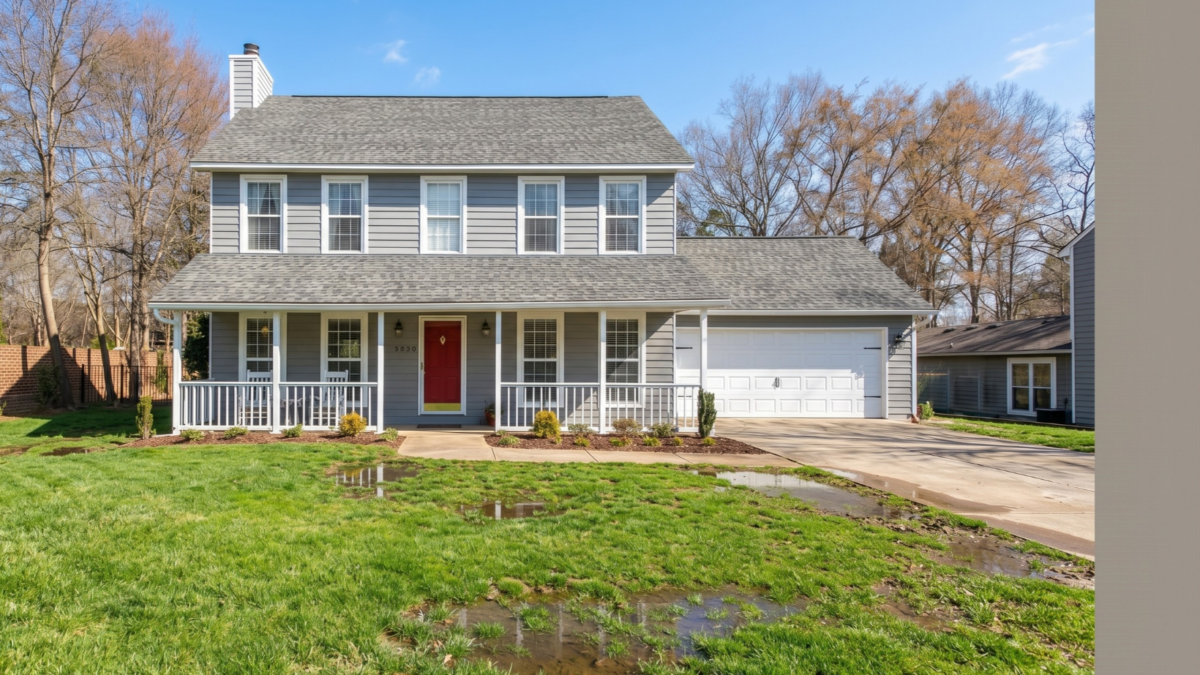
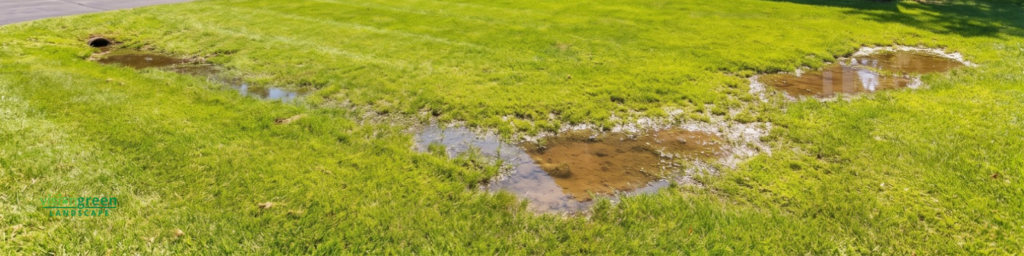
You have water collecting beside the patio, a side yard that stays muddy, or a downspout that empties into the wrong place. You want it fixed. The next question is what the work will cost.
Two drainage estimates can describe very different jobs. One might cover a buried downspout extension. Another might include several collection points, grading, soil removal, and a replacement lawn. Compare what is included before comparing the totals.
Vision Green Landscape provides yard drainage services in Charlotte. This guide explains the property details that can affect a quote, what the written proposal should cover, and what to settle before installation.
Start With the Water Problem, Not a Shopping List of Drains
“I need a French drain” is a reasonable starting point for a conversation, but it is not a complete project description. More useful information includes where the water comes from, where it collects, and what happens afterward.
Does the problem appear during rain, after the sprinklers run, or both? Is roof runoff involved? Does water cross the driveway before reaching the lawn? Has the wet area changed since a patio, addition, or neighboring project was completed?
Take photographs or a short video from a safe location while the problem is visible. Include the surrounding ground and nearby downspouts, not just a close-up of the puddle. Those observations help explain conditions that may be difficult to see during a dry-weather visit.
A useful proposal should connect the recommended work to that specific problem. It should not leave you guessing why a particular drain or grading change was selected.
Charlotte’s Soil Matters, but It Does Not Explain Every Wet Yard
NC State Extension’s guidance on construction-disturbed soil explains that much of the Piedmont’s subsoil has a high clay content. Construction can bring that material to the surface and compact it, slowing water movement and restricting root growth.
That does not mean every Charlotte puddle needs the same repair. The ground’s shape, a blocked or damaged existing drain, concentrated roof runoff, and the available discharge route can all change the discussion. “It’s the clay” is not a complete explanation of what a contractor proposes to do.
What Can Change the Cost of Drainage Work?
The Route From the Wet Area to the Outlet
The place where water collects is only one end of the project. The proposal also needs to explain where it will go.
A route across an open lawn raises different installation questions than one that crosses a walkway, passes established landscaping, or connects to an existing system. Ask the contractor to show you the proposed outlet and explain any limitations.
Do not assume a pipe can simply end at the property line, enter a nearby creek, or connect to a street drain. Ask how the proposed route accounts for neighboring properties, existing drainage features, and any necessary approvals.
The Type and Amount of Work
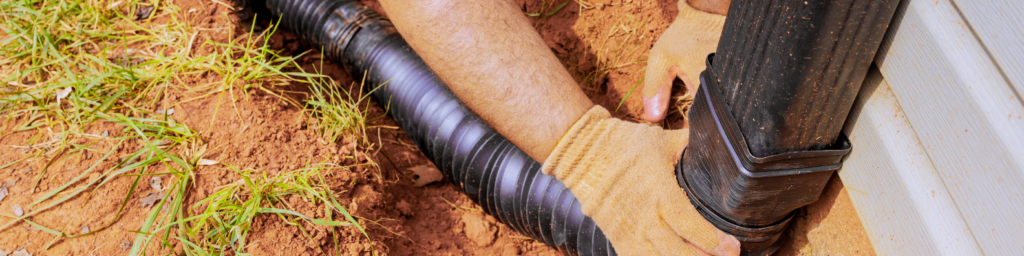
Collecting roof water, intercepting water in the soil, and correcting a low area are different tasks. A project may involve downspout routing, surface collection points, subsurface drainage, grading, or a combination.
Our guide to managing water in Charlotte yards discusses French drains and regrading. For your quote, ask which approach is proposed and what problem each part addresses.
A price per foot is only useful when you also know what that footage includes: pipe type and size, collection points, excavation, surrounding materials, connections, an outlet, and restoration.
Getting Equipment and Materials Into the Yard
A truck reaching the driveway does not mean equipment can reach the work area. Measure the gate opening, mention steps or retaining walls, and identify anything that cannot be moved.
A narrow route between the house and a fence may require a different installation approach from a wide, open equipment route. Ask whether temporary fence removal, protection of existing surfaces or additional material handling is included.
Changes to the Ground
If water collects because of the shape of the yard, the proposal may include yard grading. Find out which areas will be reshaped, whether soil will be brought in or removed, and how the finished elevations will meet existing patios, walkways, and planting beds.
If the project also includes retaining-wall work, have that scope explained separately. The wall, its supporting construction, and its drainage requirements should not disappear into an unexplained “landscaping” allowance.
Compare the Written Scope Before Comparing the Totals
A quote does not need a separate price for every fitting. It does need enough detail for you to understand what is being built and what will be left for someone else.
| Part of the quote | What to clarify |
|---|---|
| Problem and plan | Which wet areas are being addressed, and what work is proposed for each? |
| Drainage system | What pipe, collection points, connections, outlet, and maintenance access are included? |
| Digging and soil | Where will digging occur, and will removed material stay on site or be hauled away? |
| Yard access | Are fence removal, surface protection, and work around existing features included? |
| Lawn and beds | Does the price include lawn, mulch, planting bed, or hardscape restoration? |
| Changes and follow-up | How are unexpected conditions, additional work, maintenance, and any warranty handled? |
Pay particular attention to allowances and exclusions. If an existing buried line turns out to be unusable, how will a change be documented and approved? If a gate is removed, who reinstalls it? Ask for any warranty terms in writing rather than assuming all future drainage issues are covered.
Check Project Requirements Before Excavation
For work within Charlotte, the City’s individual residential lot review guidance lists drainage-system changes, affected drainage features, and public stormwater easements among potential review items. The applicable reviews depend on the project and site; this is not a single permit rule for every wet yard.
Before approving the work, ask who will confirm any required reviews, easement restrictions, and permissions for the proposed outlet. For properties outside Charlotte, confirm requirements with the authority responsible for that address.
Utility locating needs to happen before digging. NC811’s utility-locating guidance explains that an 811 request does not locate private lines such as irrigation systems, invisible pet fences or electrical lines to outbuildings. Confirm that the excavating contractor will arrange the appropriate locate request, check the responses, and address private-line locating before work begins.
When Should You Contact Storm Water Services?
A lawn-only low spot is a different situation from a blocked street inlet, a damaged storm drainage pipe or a sinkhole near drainage infrastructure.
For non-emergency flooding, significant blockages or apparent damage to drainage infrastructure, Charlotte-Mecklenburg’s drainage concern reporting page explains how to contact 311 or submit an online report. If there is an immediate threat to safety, call 911.
Reporting a concern does not establish that a public agency is responsible for repairing it. Ask the responding staff to clarify responsibility, eligibility, and any next steps before assuming a private contractor or public program will handle the entire problem.
Budget for the Yard You Want Back
“Backfilled” and “finished lawn” are not the same thing. Ask how disturbed areas will look when installation ends and what establishment work remains afterward.
If sod installation is part of the plan, clarify the area, preparation, and watering responsibilities. If the proposal uses seed, discuss timing, soil protection, and how the area will be kept out of use while grass establishes.
Photograph the access route before work begins, and agree on what restoration is included there. The lawn beside the driveway may need attention even when the drainage problem is behind the house.
Let’s Get Clear on What Your Yard Needs
When contacting Vision Green, include your property address, where water collects, when the problem occurs, and whether the yard has an existing drain. Mention narrow access, recent construction, and any related lawn or patio plans.
Have rainy-day and dry-day photos available if possible. You do not need to diagnose the problem yourself. Request a free quote and start with a conversation about the work your property needs. If you have a deadline, include it so scheduling can be discussed before you commit.
Prefer to talk? Call 704-910-1941.
Yard Drainage Quote FAQs
Why can two drainage quotes be so different?
They may cover different work. Compare the proposed drainage method, route, outlet, excavation, materials, grading, access and restoration. Ask each contractor to explain what is included and excluded before comparing the totals.
Can I compare drainage quotes by price per foot?
A per-foot figure alone is not enough. It should be tied to a defined scope that explains pipe type, collection points, excavation, connections, outlet work, and restoration. Fixed project costs or separately priced work may also affect the total.
Does a drainage estimate include lawn restoration?
Do not assume it does. Ask whether the proposal includes backfilling, soil preparation, sod or seed, mulch, and repair to areas used for equipment access. Also clarify who handles watering and establishment care.
Do I need a French drain or yard grading?
The answer depends on the source of the water, the shape of the ground and where the water can go. Ask the contractor to explain why a drain, grading changes or a combination is appropriate for your property.