Patios, Fences, Retaining Walls & Grading Permit Information

Charlotte Homeowner’s Guide to Choosing the Right Ground Cover
January 10, 2026
Should You Repair or Replace Your Retaining Wall?
February 24, 2026
Do Patios Need Permits in Charlotte?
Over the years, from Ballantyne or Huntersville, we’ve worked with many homeowners who started a project assuming permits wouldn’t apply, only to hit unexpected delays, additional costs, or even orders to modify or remove completed work. Those situations are expensive and completely avoidable with the right planning.
This guide walks you through the most common scenarios we see with patios, fences, retaining walls, and grading in the Charlotte area.
We want to help you make informed decisions, avoid costly mistakes, and move forward knowing your project is being done the right way from day one.
And if you’d rather not sort through requirements on your own, that’s where we come in!
Who Actually Handles Permits in Charlotte?
One reason permitting feels confusing is that there isn’t just one authority involved.
Most residential outdoor projects in the Charlotte area fall under Mecklenburg County, the City of Charlotte, or sometimes both, depending on your address and the scope of work.
Mecklenburg County generally handles building permits and inspections, especially when structural elements are involved. The City of Charlotte, on the other hand, often reviews projects for zoning, stormwater, setbacks, and site impact, particularly through its Individual Residential Lot review process.
That means a project might not feel “structural,” but still require City review because it changes drainage, grading, or how your lot functions.
Do You Need a Permit for a Patio in Charlotte?
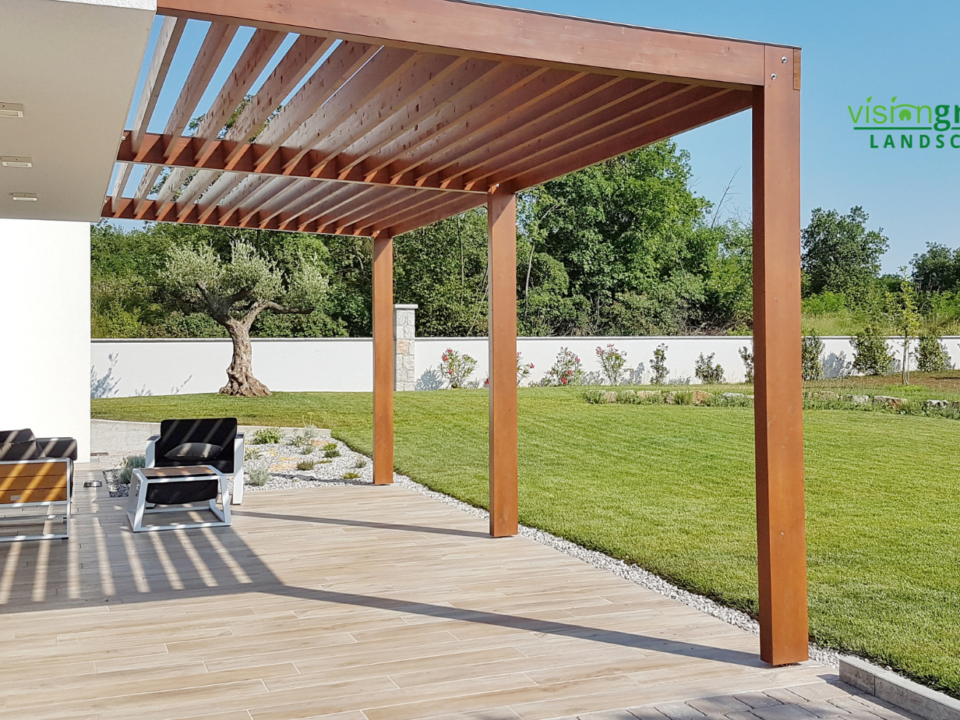
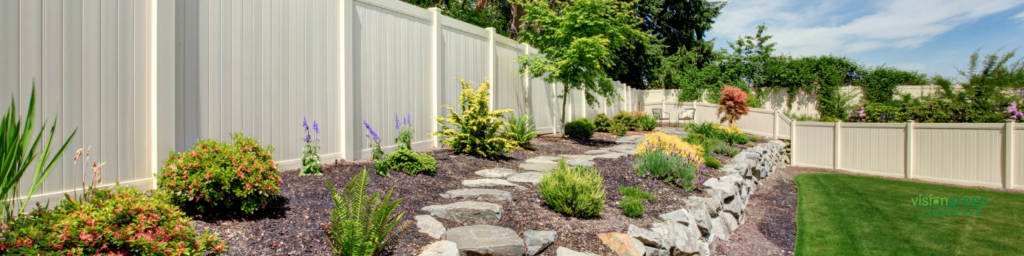
An on-grade patio, such as pavers or concrete installed at ground level, may not always require a traditional building permit. However, that doesn’t automatically mean you’re in the clear.
In Charlotte, patios are often reviewed as part of site improvements, especially when they involve grading, increase impervious surface, or affect drainage. Covered balconies, patio roofs, or patios tied into outdoor kitchens, lighting, or utilities are even more likely to trigger reviews or additional permits.
Even if your patio doesn’t need a full building permit, it may still require City review or approval depending on how it’s built and where it’s located on your lot.
Fences
Fence height matters, as does where the fence is located. Front yards, side yards, and rear yards can have different height limits. Fences near streets, sidewalks, or intersections are also more closely regulated due to visibility and safety concerns.
In some cases, especially when a fence or wall is near the public right-of-way, a Fence and Wall Certificate may be required. Taller fences or walls (typically over six feet) can also trigger building permit requirements.
The most common fence issues we see are fences placed too close to property lines, built too tall for the yard location, or installed within easements.
Retaining Walls
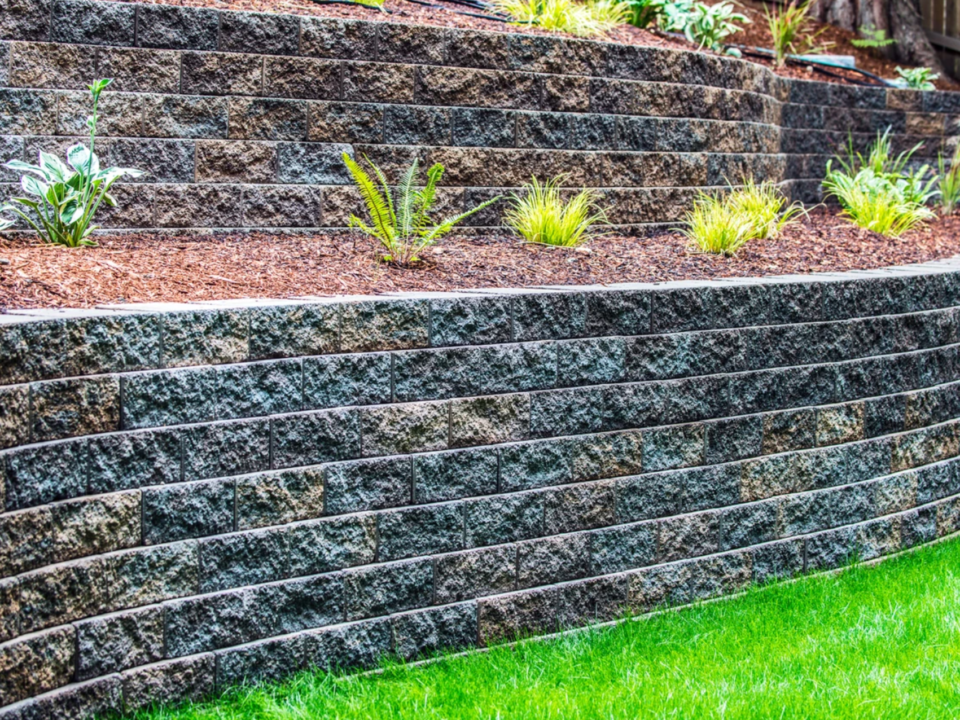
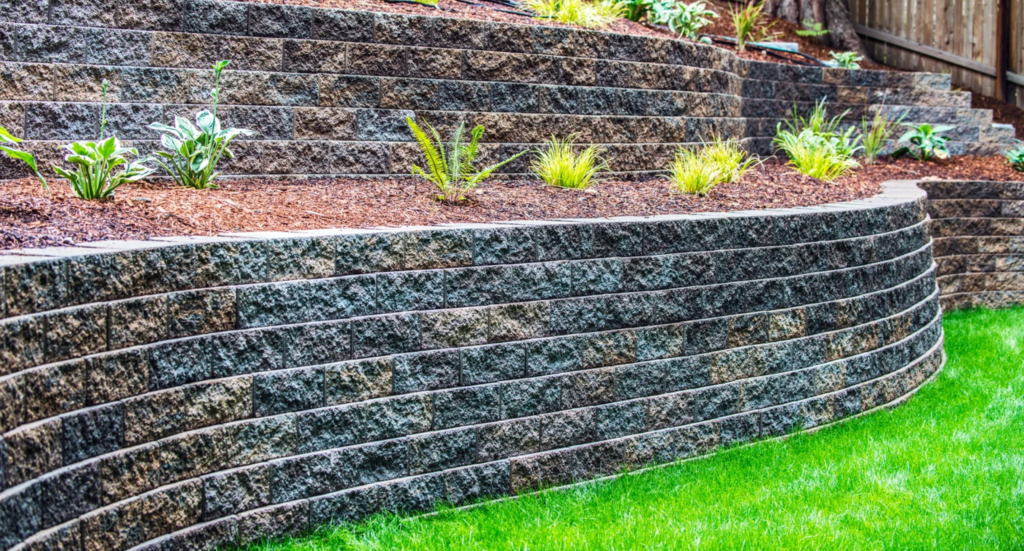
In Mecklenburg County, retaining walls supporting five feet or more of soil typically require a permit and often need engineered drawings. Even shorter walls may require City review depending on their location, proximity to structures, or whether they affect drainage.
From a practical standpoint, if a retaining wall failure would cause soil movement toward a home, driveway, or neighboring property, it should be treated as a permitted project even if it looks simple on the surface.

Grading
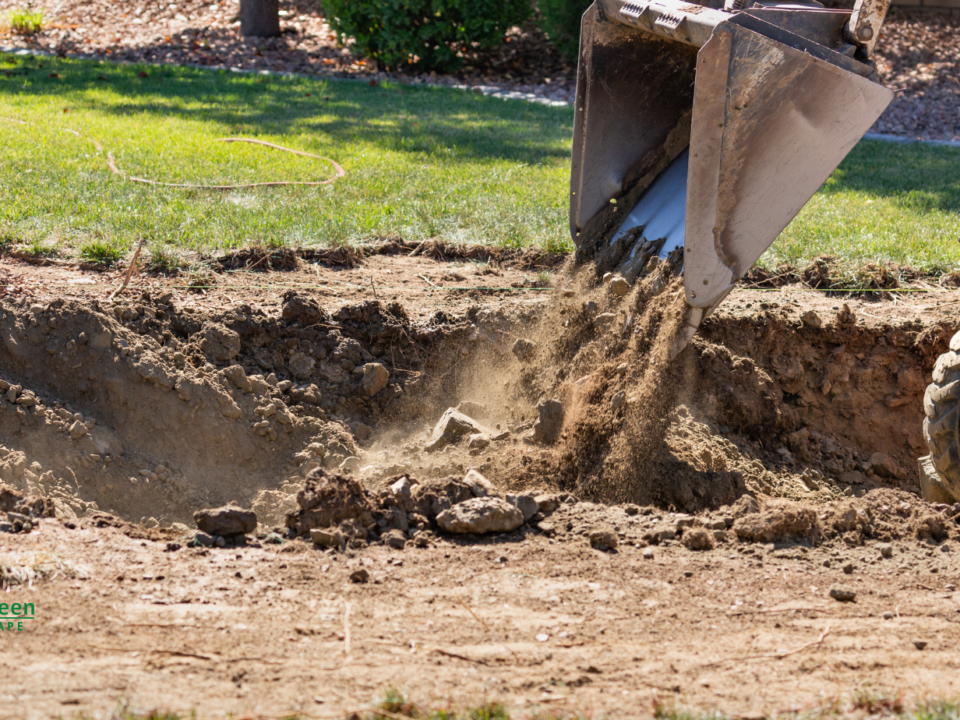
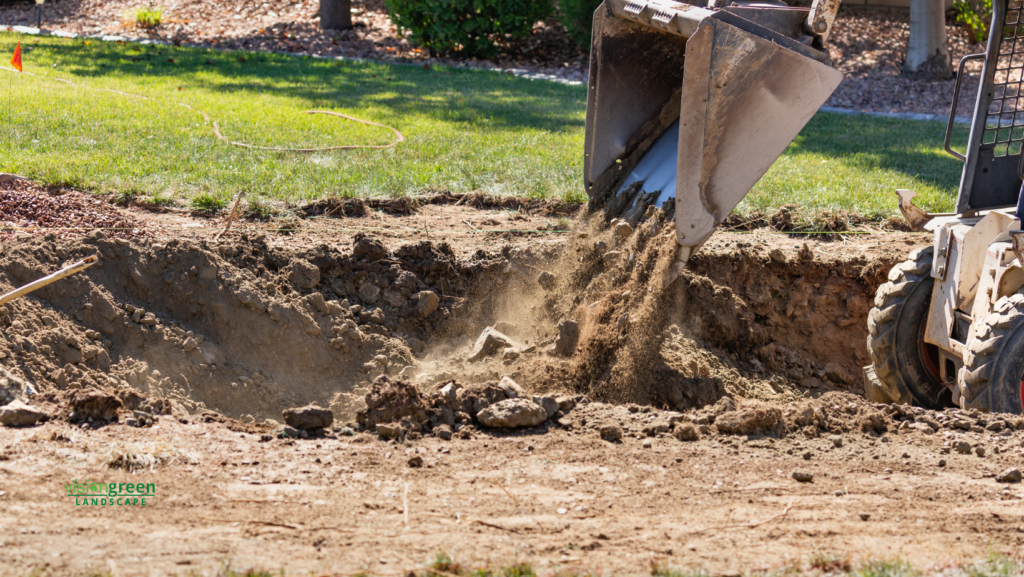
Whenever alterations are made to the water flow across your property, Charlotte aims to ensure that such modifications do not pose issues for neighbors, streets, or stormwater systems. Even minor grading activities, such as leveling a yard, preparing for a patio, or addressing drainage concerns, may necessitate prior approval.
Larger grading projects or those linked to drainage infrastructure often include stormwater review, which can be an important part of the process. Erosion control measures may also be considered here.
If you’re planning to move soil rather than just placing materials on top, it’s a good idea to start discussing grading review early on to keep everything on track.
How Long Does the Review Process Take?
Timing matters, especially if you’re planning around events, seasons, or home sales. Permitting is not something to start the week before construction. Factoring it into your planning phase helps avoid rushed decisions and scheduling headaches.
For projects requiring the City of Charlotte Individual Residential Lot review, timelines often look like this:
- Initial intake review within a few business days
- First formal review typically within about a week
- Additional review cycles if revisions are needed
What You’ll Typically Need Before Applying
Whether you’re applying for permits yourself or working with a contractor, having the right information ready makes everything better.
Most reviews require a clear site plan showing where the project sits on your property, distances to property lines, and basic dimensions. Projects involving walls, fences, or grading may also require height details, soil information, or drainage notes.
This isn’t about paperwork for the sake of paperwork; it’s about making sure the project fits safely and legally on your lot.
Why Homeowners Choose Help With This
Permits aren’t the fun part of outdoor projects, but they are the part that protects your investment.
When permits and reviews are handled correctly:
- Projects move forward with fewer delays
- Inspections don’t have issues
- You avoid fines or rework
- Your improvements hold their value long-term
Ready To Work With A Pro?
At Vision Green, we don’t just build patios, fences, and retaining walls—we help homeowners plan them correctly. That includes evaluating your site, understanding what approvals may apply, and building in a way that meets local requirements.
If you’re asking whether you need a permit, you’re already doing the right thing. Most problems happen when homeowners assume they don’t need one.
Charlotte’s rules aren’t meant to stop good projects; they’re meant to make sure they’re built safely, responsibly, and in a way that protects everyone involved.
If you’d like help figuring out what applies to your property, we’re happy to walk through it with you and help you move forward with confidence. Reach out now to get started!