Charlotte Homeowner’s Guide to Choosing the Right Ground Cover

Fixing Downspout Drainage in Charlotte Homes
December 29, 2025
Patios, Fences, Retaining Walls & Grading Permit Information
January 14, 2026
Mulch or Pine Straw?
If you’re in Charlotte, take a leisurely drive through nearly any neighborhood, and you’ll easily spot two popular choices for landscape beds: mulch and pine straw. Both are wonderful for beautifully framing homes, trees, and flower beds, adding charm and warmth to the community.
Both work well in Charlotte’s climate but shine in different situations: one saves time on weeding, the other withstands heavy rain. One provides a polished look, the other a natural Southern feel.
The right choice comes down to what matters most to you, whether it be less maintenance, stronger weed control, or better moisture retention during hot summers.
In the sections below, we’ll walk through the real-world differences between mulch and pine straw. And if refreshing beds isn’t how you want to spend your weekends, our team can handle it seasonally so your landscape stays neat and good-looking year-round.
Cost In Charlotte
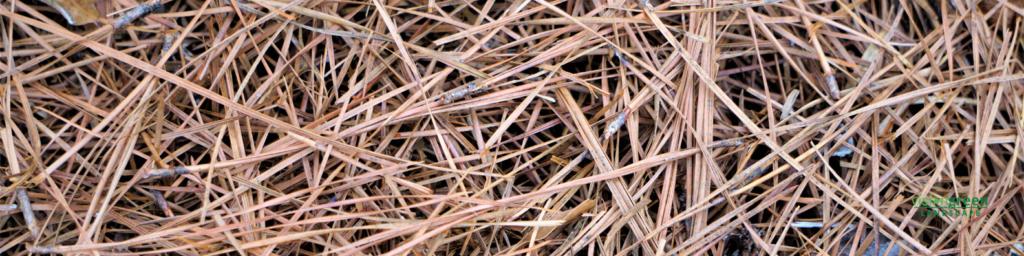
When people say “mulch,” they usually mean wood-based mulch, such as hardwood, pine bark, or dyed mulch. Pine straw is also a mulch, made from pine needles rather than wood.
Both materials serve to protect soil, suppress weeds, retain moisture, and make landscape beds appear deliberate rather than neglected. However, they differ in how they perform after being placed on the ground.
The bale typically sells pine straw. One bale usually covers about 100 square feet, about 2 inches deep. Pricing varies by season, but pine straw is often seen as a cost-effective option for larger areas because it’s lightweight and spreads quickly.
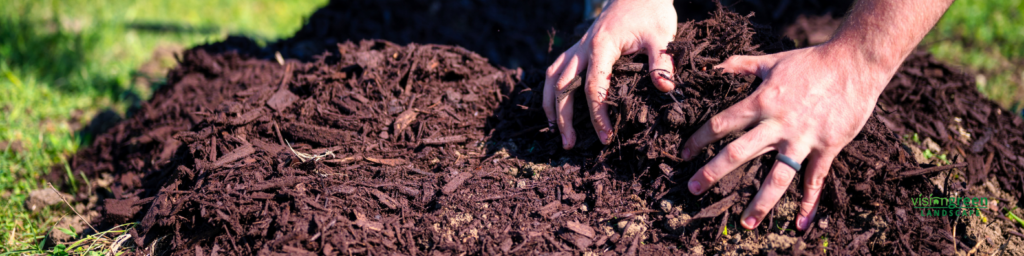
Mulch is usually priced by the cubic yard or by the bag. Mulch can cost more up front, especially when delivered and installed, but it’s important to remember that mulch only performs well when installed at the proper depth.
A thin layer of mulch might look good for a couple of weeks, but it won’t block weeds or hold moisture very well, which can be frustrating for new homeowners. When mulch is installed at the right depth (usually around three inches), it performs better and lasts longer.
Weed Control
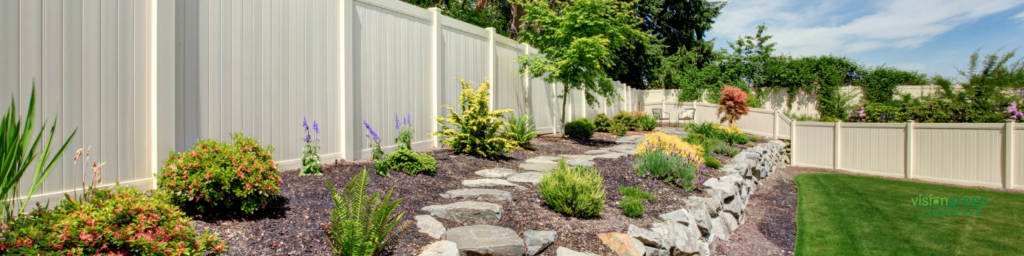
Mulch blocks sunlight, preventing many weed seeds from sprouting. When installed at the right depth, mulch can dramatically reduce the number of weeds that make it through.
Pine straw also blocks light, but because it’s looser and more airy, weeds can sometimes find gaps if the layer is too thin. When pine straw is applied thickly enough, it can be very effective—but when it thins out over time, weeds can sneak through more easily.
Homeowners who care about weed control often choose mulch because it helps keep weeds at bay. However, pine straw still does a great job, especially when you give it some seasonal touch-ups to keep it looking fresh.
Moisture Retention
Mulch generally retains moisture more effectively than pine straw. It minimizes evaporation and maintains more consistent soil temperatures, which is particularly beneficial during extended summer dry spells.
Pine straw lets water drain rapidly, which is helpful during heavy rains, but it doesn’t hold moisture well. Therefore, beds with pine straw may require more frequent watering in dry weather.
Slopes And Runoff
On sloped beds or areas that receive heavy runoff, some mulches can wash away or float during storms. Pine straw tends to interlock and stay in place, making it a popular choice for hillsides and naturalized areas.
For homes in Charlotte with sloped yards or drainage issues, pine straw tends to be a more manageable option because it stays in place better during heavy rain, making maintenance simpler.
The “Pine Straw Makes Soil Acidic” Myth
This concern comes up all the time, and it’s worth clearing up.
Using pine straw as mulch does not significantly change soil pH in a way that harms plants. While pine needles are acidic on their own, once they’re used as mulch, they break down slowly and do not meaningfully acidify the soil.
If you like the look and performance of pine straw, there’s no need to avoid it because of soil acidity concerns.
Where Each Option Works Best In Charlotte Landscapes
Pine straw tends to work best in sloped beds, around evergreens, and in landscapes where a more natural, Southern appearance fits the design. It’s also a good choice when homeowners want something easy to refresh without heavy equipment.
Mulch is often the better choice for foundation beds, front-yard landscapes, and high-visibility areas where curb appeal matters most. It provides a cleaner, more uniform look and offers stronger moisture retention and weed suppression when installed properly.
Many Charlotte homes actually use both…Pine straw in natural or sloped areas, and mulch in formal or high-impact beds.
Avoid piling mulch or pine straw against tree trunks to prevent moisture buildup and health issues. Go for even coverage at the right depth, leaving a gap around plants for airflow.
How Often Should Beds Be Refreshed?
Organic materials decompose, settle, and thin over time. Regularly refreshing beds helps control weeds, enhances moisture retention, and keeps a tidy, intentional appearance. In Charlotte’s climate, most beds ideally benefit from a seasonal refresh, usually once in spring and sometimes again in fall.
If you’re not sure which option makes sense for your yard, or have other landscaping needs, we’re happy to walk the property with you and help you choose the best solution for your landscape and your goals.